

Backbone × Post Malone
─────
Marketing
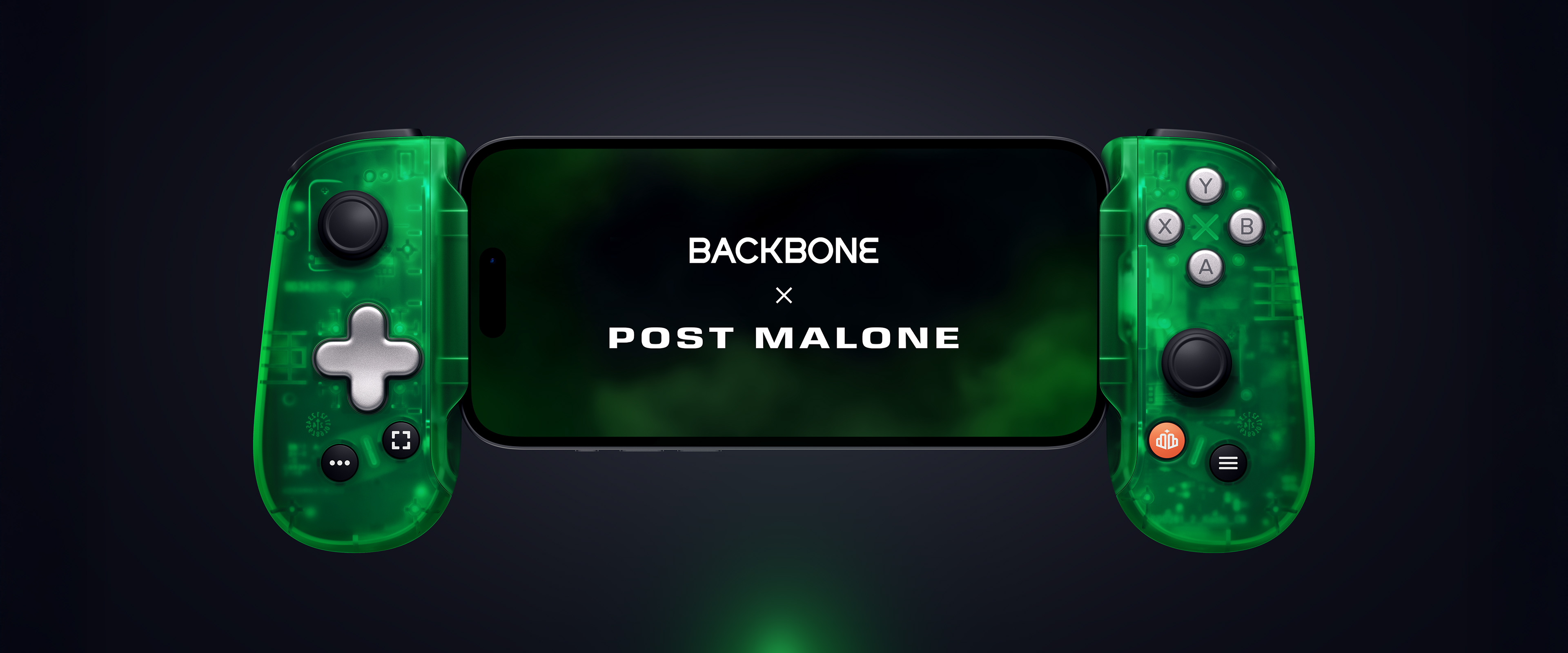
This project is a direct collaboration between Backbone and world-renowned, multi-award-winning artist Post Malone, resulting in a limited edition version of the Backbone One controller. Reflecting on the collaboration, Post Malone noted, “Backbone found the perfect solution to bring gaming on the road. My schedule makes it difficult to game from home as much as I want.” Together, the Backbone brand and Post Malone’s creative team merged mobile gaming hardware with the artist’s personal vision, positioning the product as a cultural crossover—equal parts gaming accessory and collectible. My role focused on translating this collaboration into a cohesive visual narrative through 3D modeling, animation, and high-end product imagery for marketing purposes.
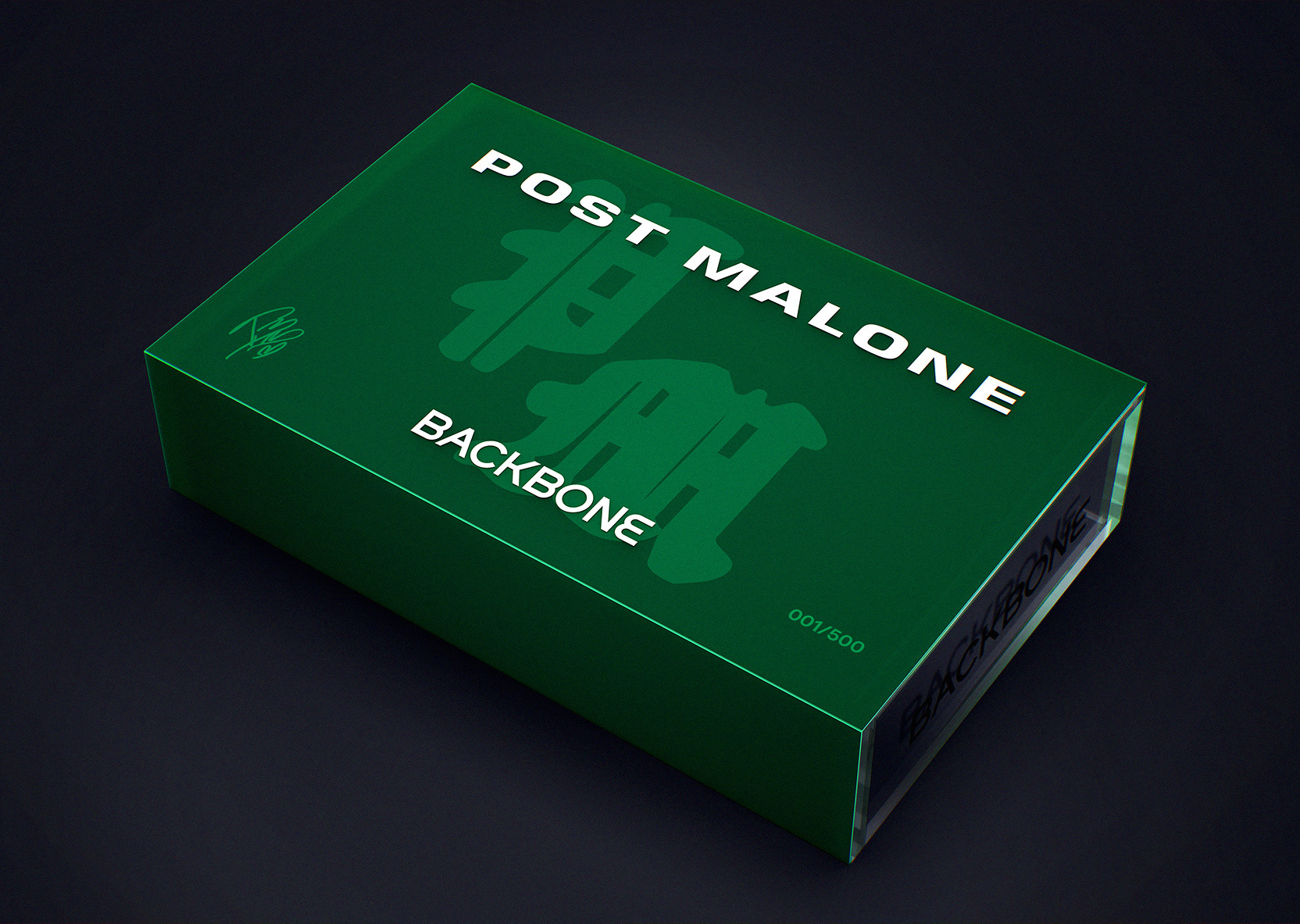
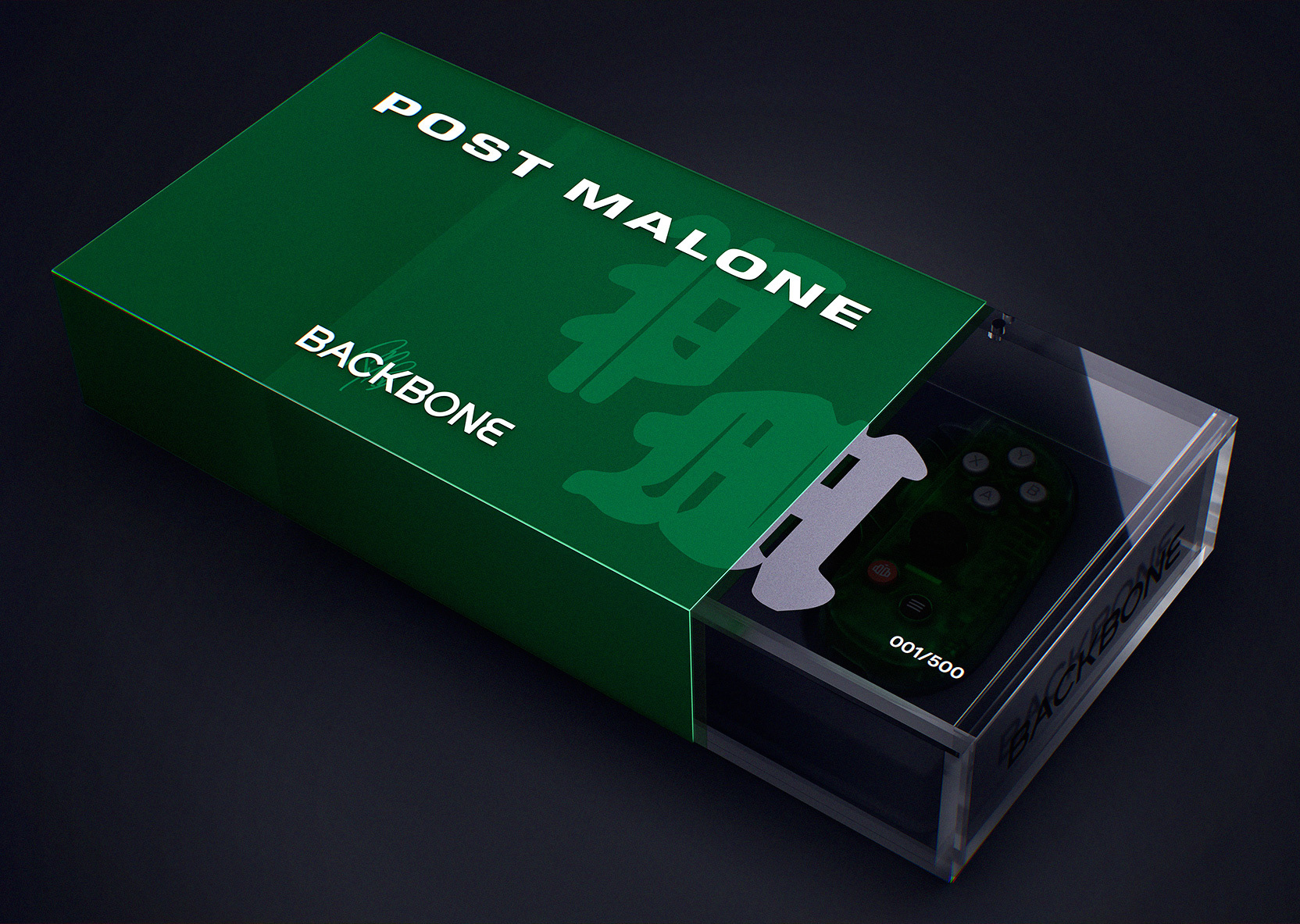
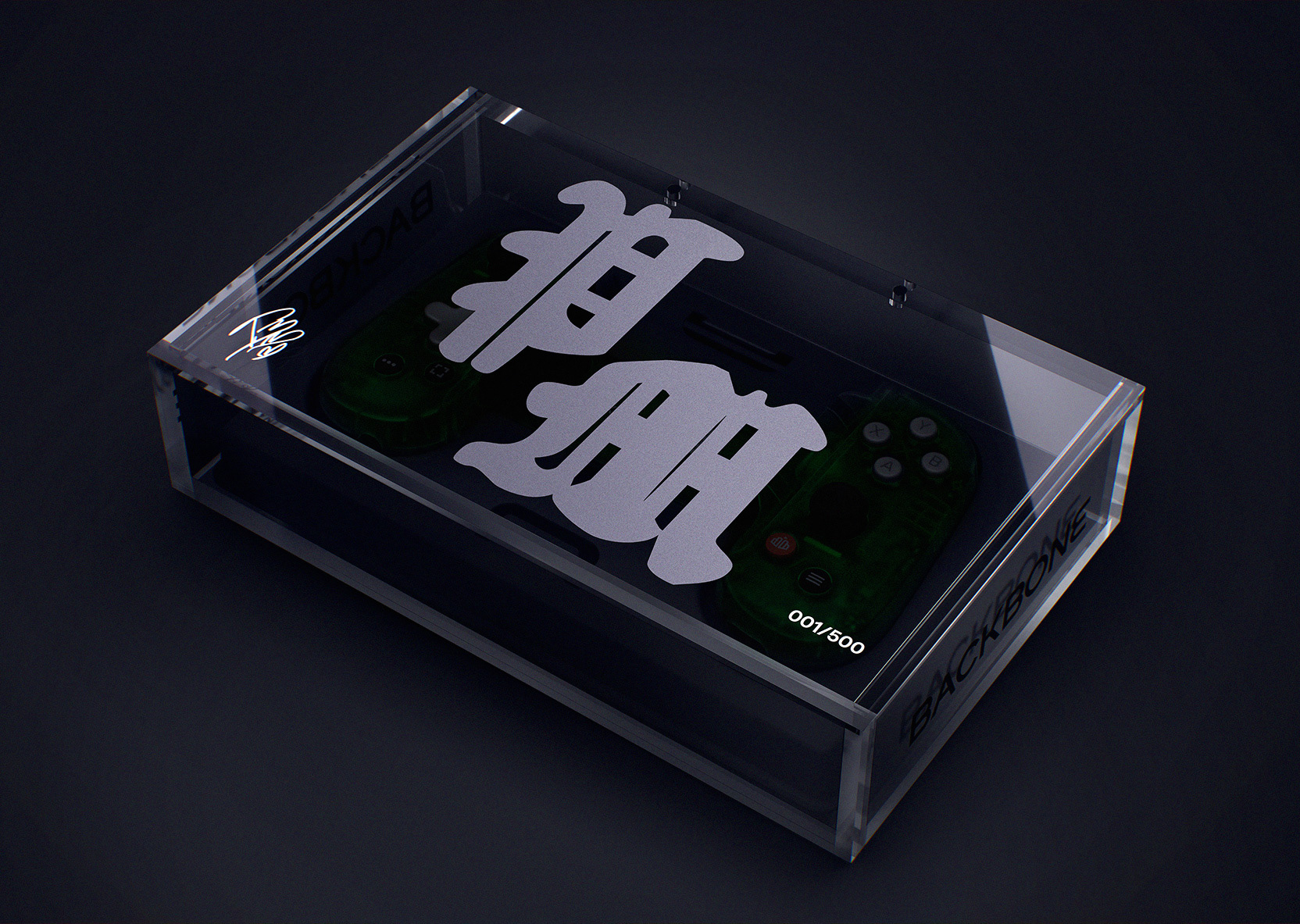
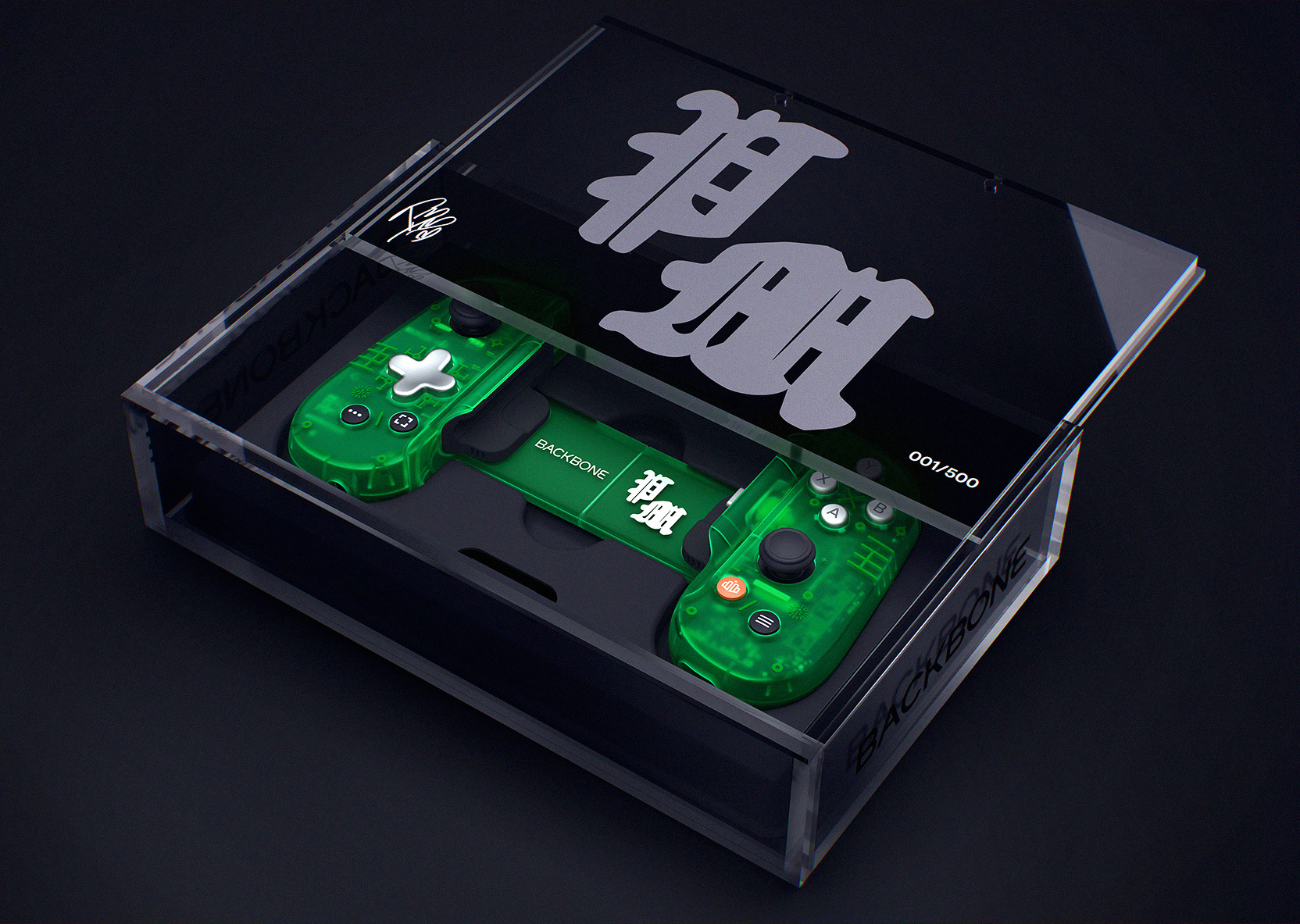
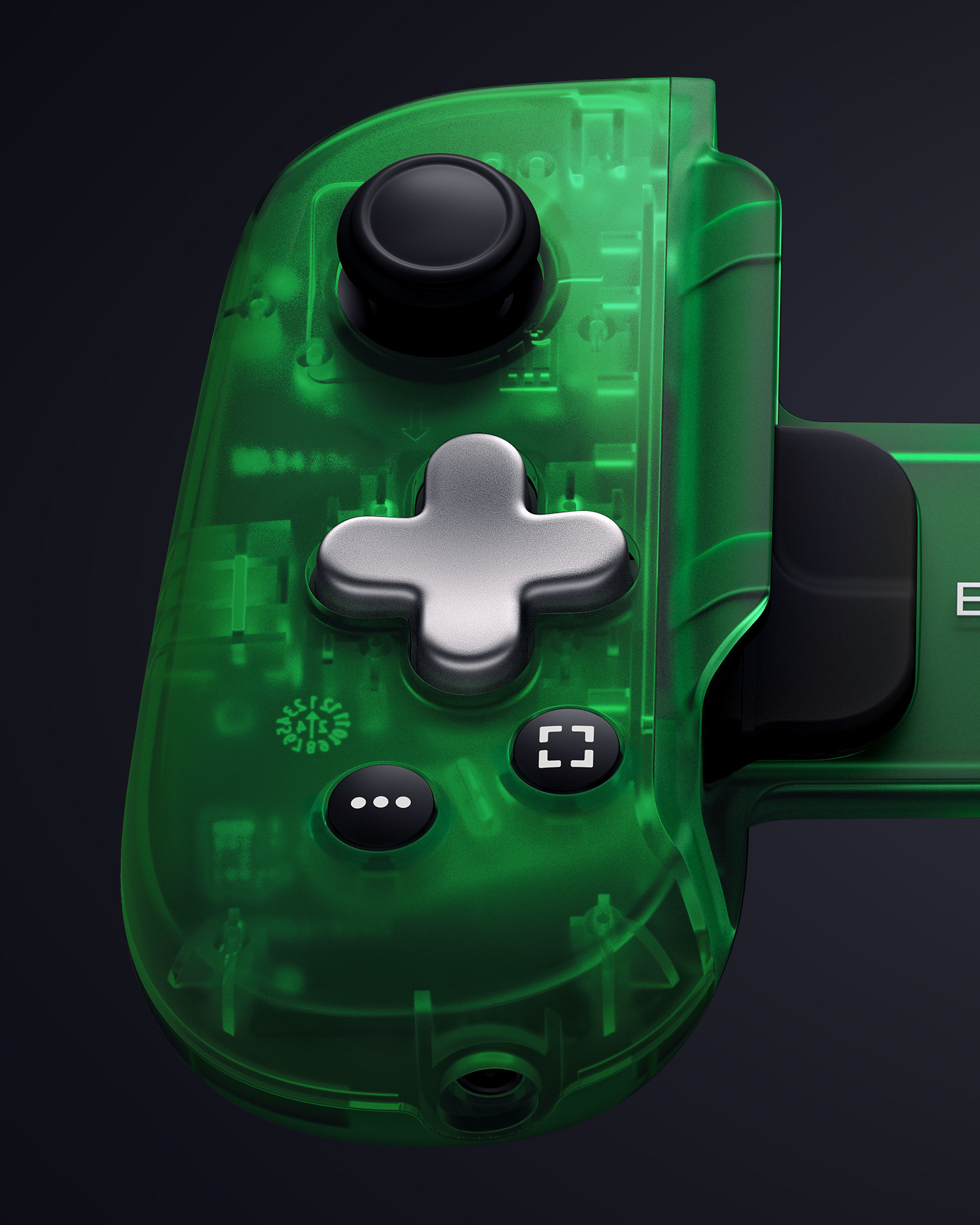
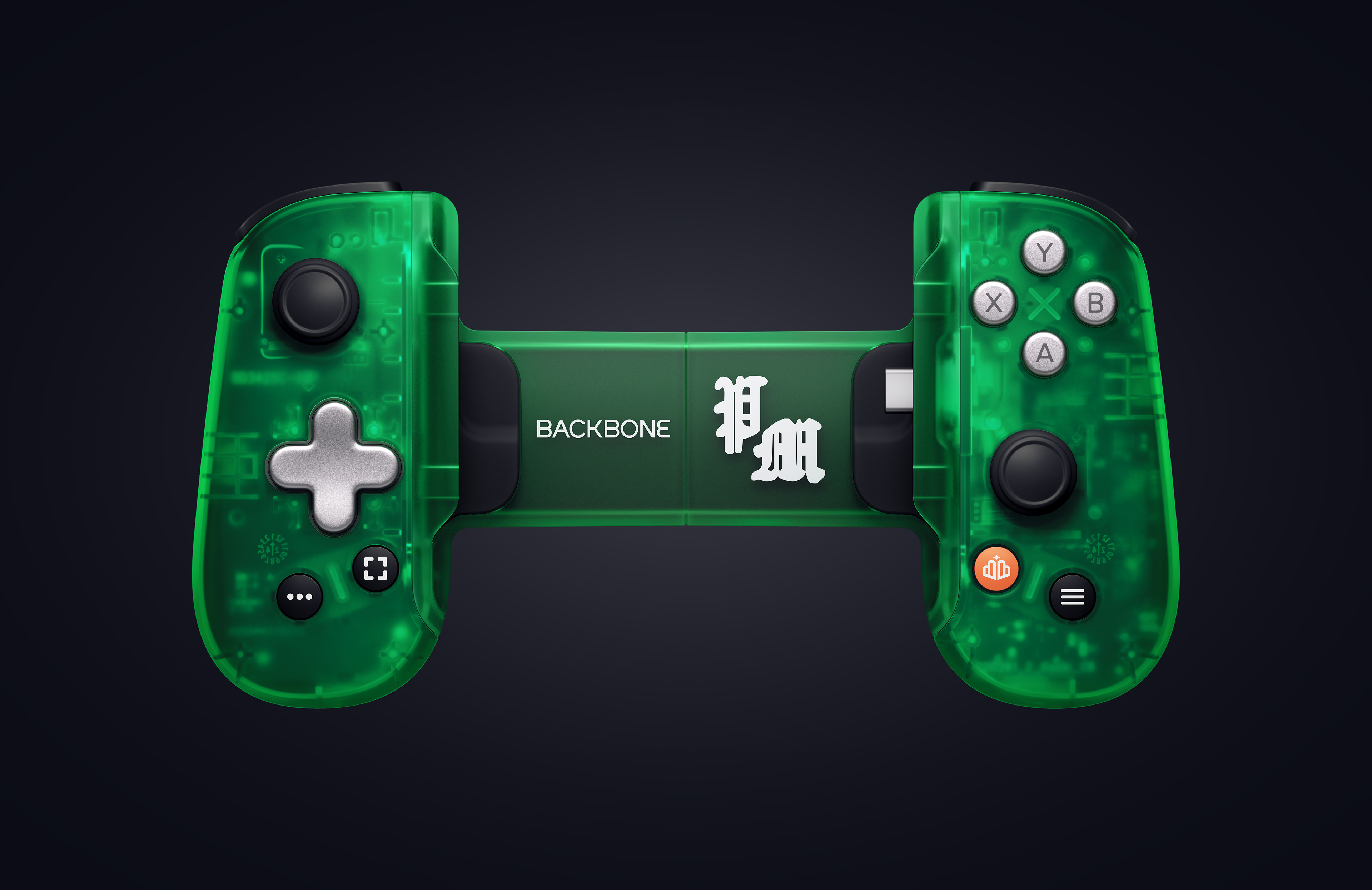
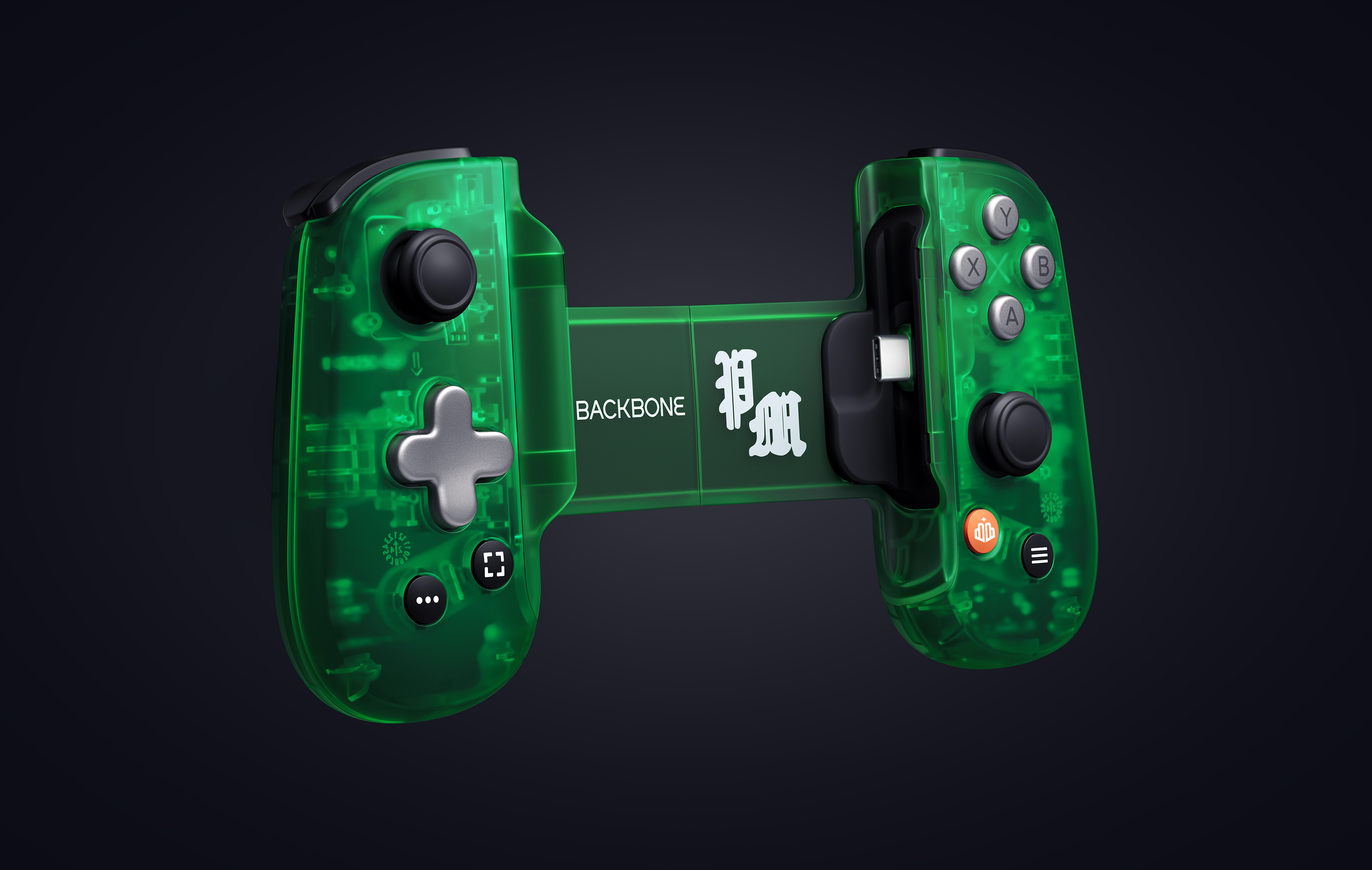
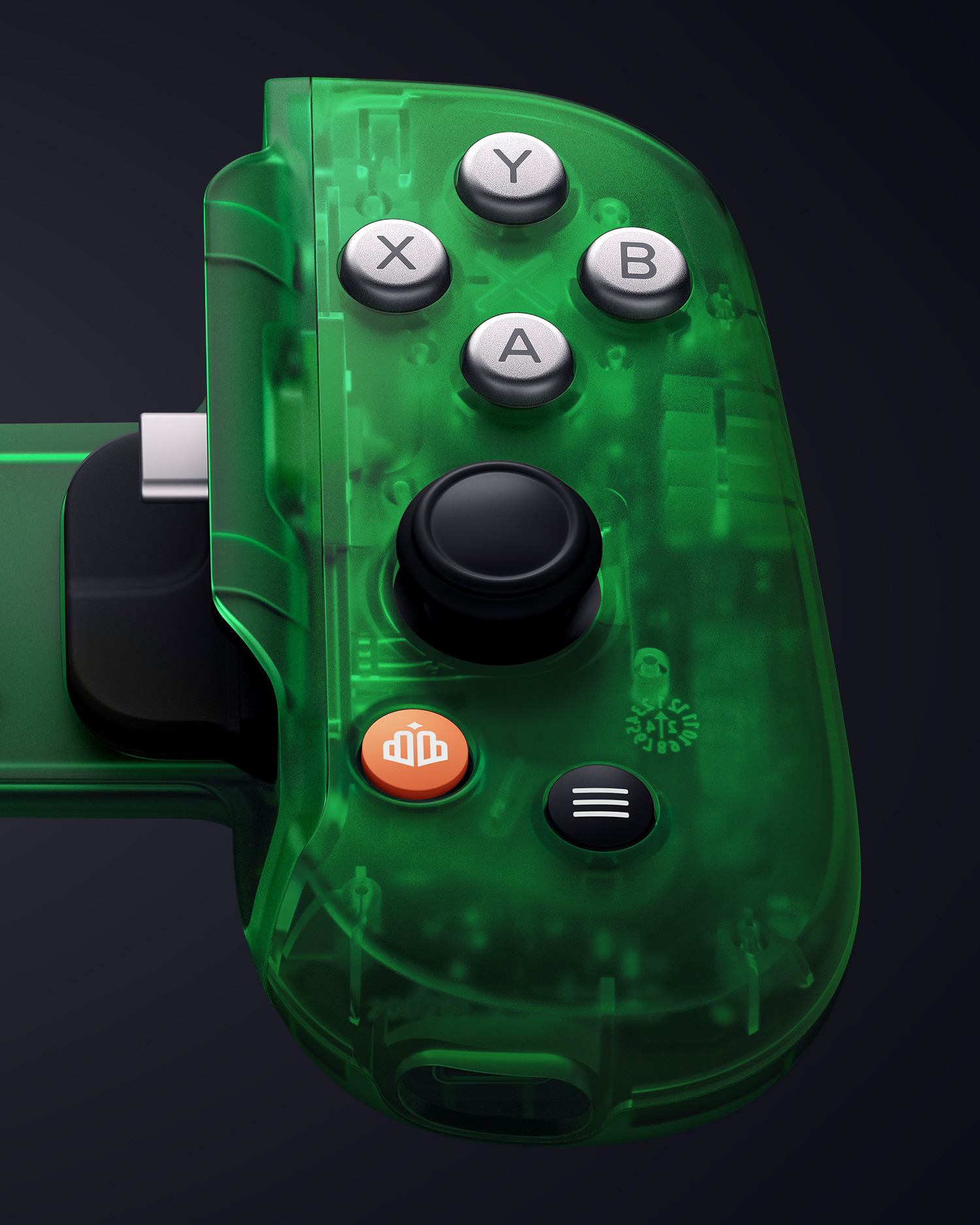
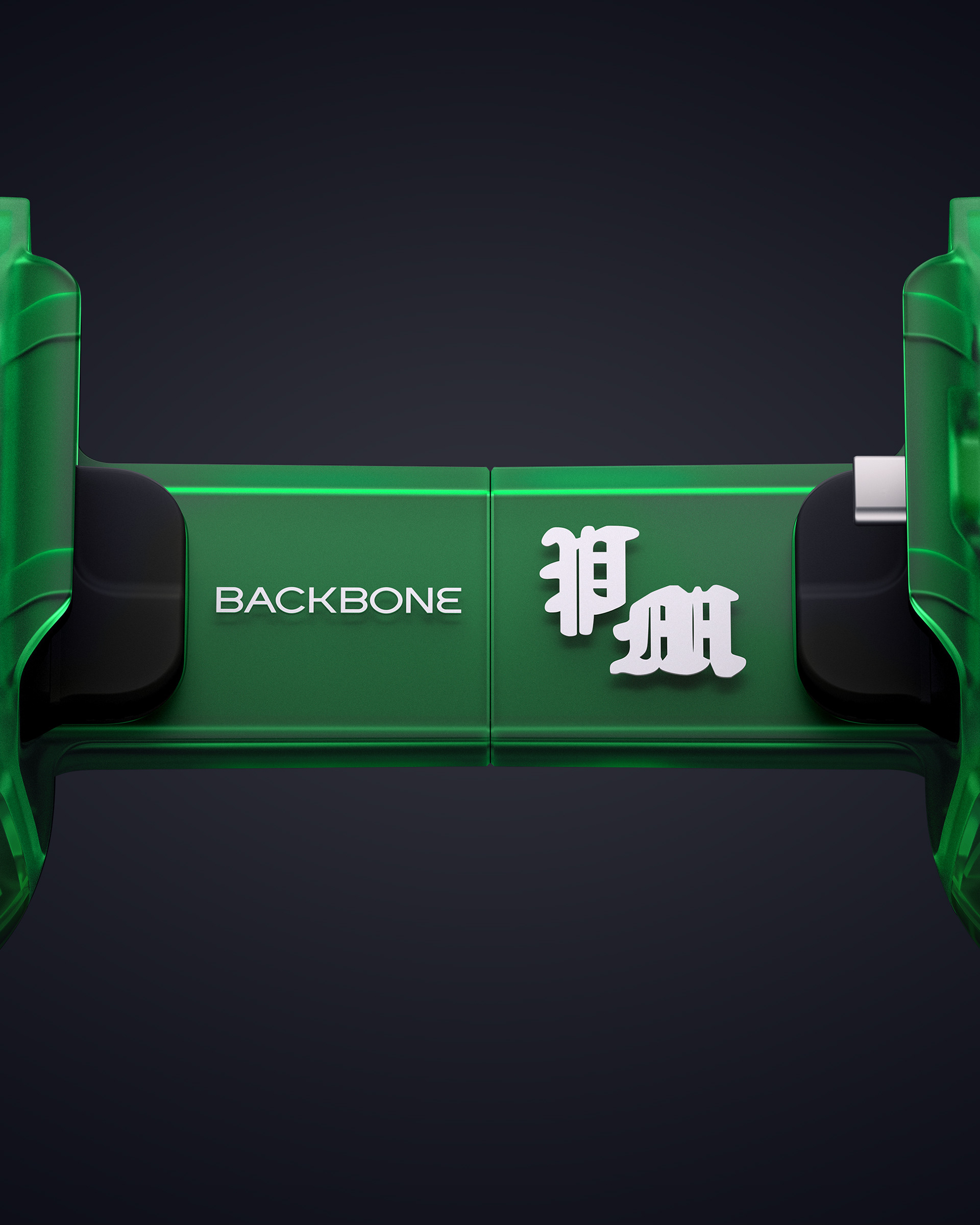
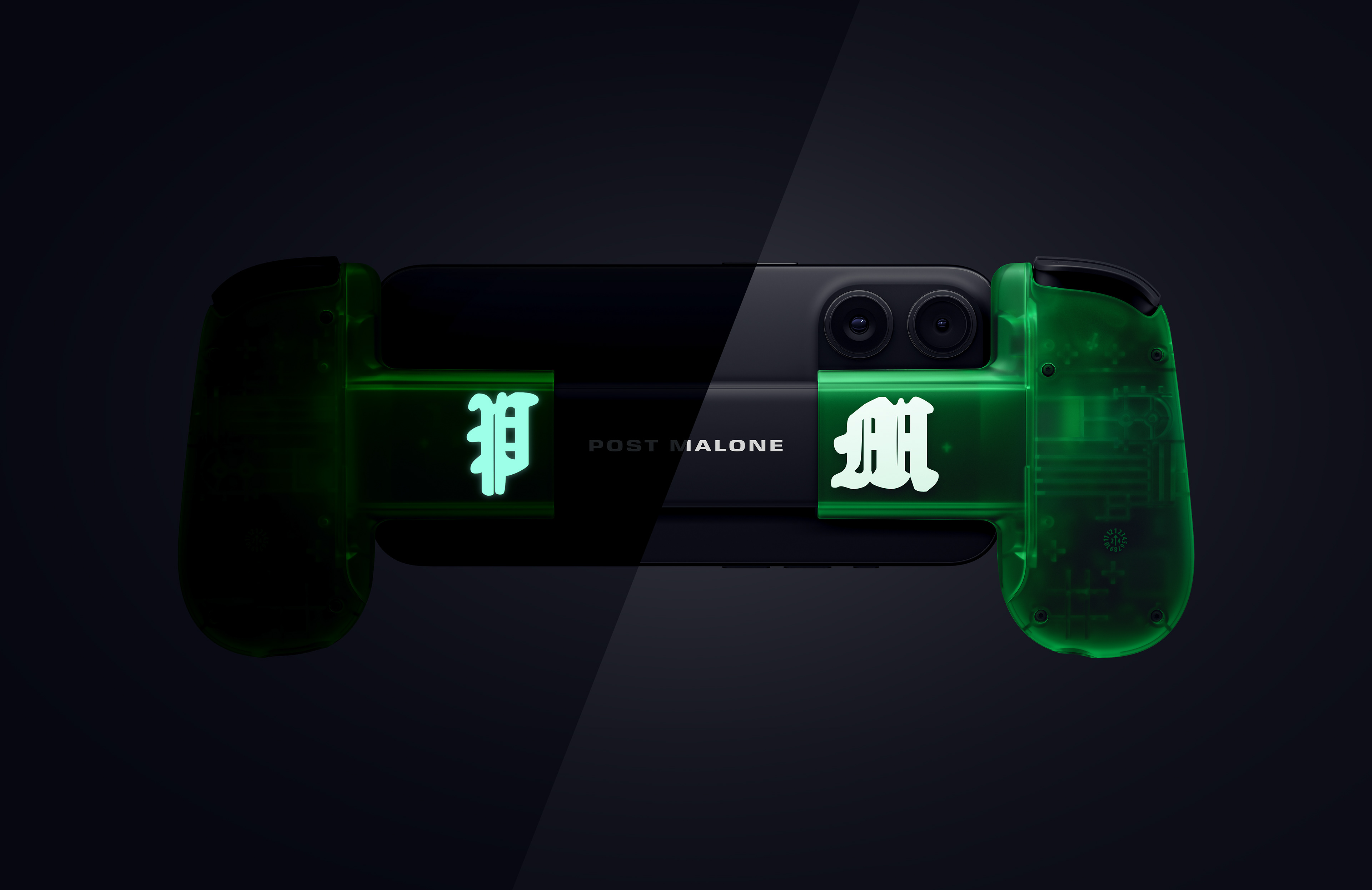
Overview — The Post Malone Edition of the Backbone One features a translucent green shell with glow-in-the-dark elements, custom metallic details, and packaging that leans into a bold, personal aesthetic. The marketing assets needed to communicate exclusivity, personality, and craftsmanship while remaining consistent with Backbone’s premium brand language. I was responsible for creating the animations, producing and rendering the product visuals, and performing final retouching to ensure the assets were campaign-ready across digital channels.
Design Approach — The approach balanced Backbone’s clean, tech-forward design sensibility with Post Malone’s expressive and unconventional style. Visual concept and design guidelines for the device and packaging were defined by Post Malone’s creative team. For the marketing visuals, lighting accentuated material translucency and glow-in-the-dark features, emphasizing tactility and depth. Animations were concise and impactful, showcasing form, texture, and key details through the artist’s vision. The goal was to make the controller feel iconic, desirable, and collectible while remaining functional.
Visual Development — The process began by establishing an atmosphere suited to the translucent housing and internal components. Renders were carefully staged to accentuate reflections, edges, and material thickness, followed by detailed retouching to refine color balance and contrast. Animations were built on these visuals, using controlled camera movement and timing to create energy and reveal the product. Each asset was designed to work both independently and as part of a cohesive marketing system.
Outcome — The final animations and renders were used across Backbone’s launch marketing, press coverage, and digital storefronts to introduce the Post Malone Edition controller. These visuals reinforced the collaboration’s unique identity, highlighting the product’s design details and cultural relevance while supporting its positioning as a standout limited release. The project successfully bridged product visualization and brand storytelling, contributing to a launch that generated attention across gaming, design, and mainstream media.
The Backbone × Post Malone collaboration merges premium mobile gaming hardware with the artist’s expressive aesthetic and personal touch, blending clean industrial design with a bold, culture-forward personality.

© Alfredo Tato and their respective rights holders.
Do not reproduce without express written consent.
Guadalajara, Mexico — Central Time (GMT-06:00)
Do not reproduce without express written consent.
Guadalajara, Mexico — Central Time (GMT-06:00)